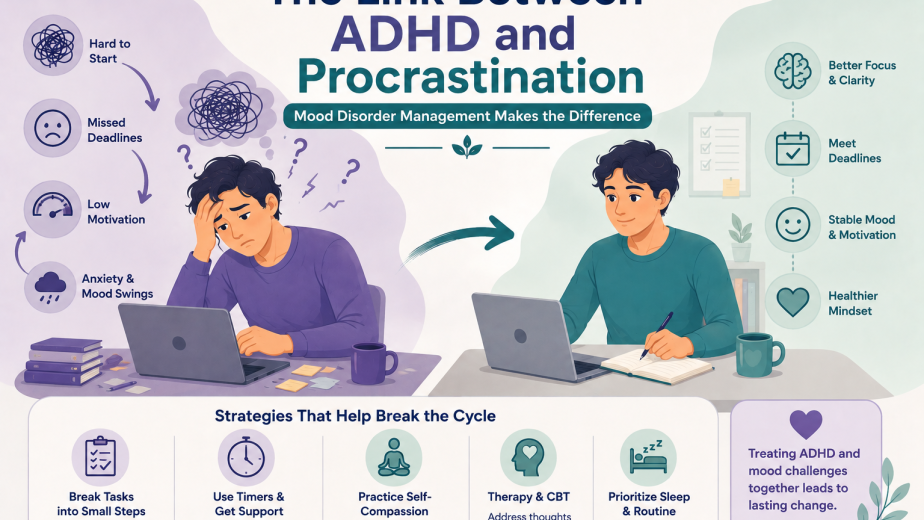
Deciding to seek help for your mental health can feel like a big step, and knowing what to expect can make that step a lot easier. If you’re searching for Psychiatric Services Maryland residents trust, understanding the evaluation process is a great place to start, since it’s usually the very first appointment you’ll have with a provider. This visit sets the foundation for your entire treatment plan, so it’s worth knowing exactly what happens before you walk through the door.
Mental health needs across the country continue to grow every year. Recent national data shows that roughly 23.4% of U.S. adults, or an estimated 61.5 million people, experienced a mental illness in the past year, but only about 52.1% of these received some form of treatment. Such data highlight why timely, professional evaluations matter more than ever, and why finding the right provider can make all the difference in getting the support you need.
Why a Psychiatric Evaluation Matters
A psychiatric evaluation is a conversation between you and a licensed professional that is mainly structured in order to gather data about your emotions, behaviors, and physical well-being. It isn’t a test of some sort that you can pass or fail. In fact, it’s simply a means through which the professional can have a complete understanding of your situation. While getting evaluated is quite challenging especially for first timers, knowing the process may really help the fear or apprehensiveness to be significantly reduced or eliminated.
At Maryland Behavioral Health, evaluations are handled with care, patience, and zero judgment. The goal isn’t to label you but to understand your unique experience so your provider can recommend the most effective path forward, whether that’s therapy, medication, lifestyle adjustments, or a combination of approaches.
The Step-by-Step Process
- Initial Intake and History Review
Typically, your assessment will start with filling in forms where you will write about your medical past, family background, current symptoms, eating habits, sleep patterns, stress and your relationship with colleagues/boss/etc. The provider also explores about mental health history of the family, if any. All of this information gathering is important for the doctor in establishing a general idea about the patient so that a thorough understanding of the patient’s current issues is possible.
- Symptom Discussion
In the second step, your therapist will ask you about what is happening to you at the moment with a lot of detail. For instance, they might ask about depression or happiness, anxiousness, lack of focus, changes in the level of the functioning, or any thought that seems to be too much for you. Being as truthful as possible in this part of the conversation will really be crucial, because the better understanding of your situation your therapist has, the better the care plan for you will be.
- Mental Status Examination
This portion involves observing your speech, thought patterns, mood, and behavior during the conversation itself. It’s a normal part of any evaluation and helps your provider assess how you’re functioning day to day, not just what you report verbally.
- Discussion of Treatment Options
Once your provider has a clear picture, they’ll walk you through possible next steps. This could include therapy referrals, lifestyle recommendations, or a conversation about Medication Management Services if medication may help stabilize your symptoms. Providers explain the risks, benefits, and expectations clearly so you can make an informed decision about your care.
Who Should Consider an Evaluation
You don’t need to be in crisis to benefit from a psychiatric evaluation. Many people reach out when they notice persistent sadness, anxiety that won’t ease up, trouble focusing, mood swings, or simply a sense that something feels “off.” Contacting Psychiatric Services Maryland early may help forestall minor difficulties from developing into more pronounced ones later.
Choosing a qualified behavior health clinic matters too. A professional place will not just take you through paperworks, rather it establishes a relationship of trust, gets you comfortable, and together with you formulates a strategy which is realistic considering your life situation. Make sure it has licensed psychiatric providers available for you, is upfront in its dealings with you, and besides, you have a choice of getting care via telehealth in case it is hard for you to get to the facility in person.
What Happens After the Evaluation
Following your evaluation, your provider will typically schedule a follow-up appointment to check on your progress. If medication is recommended, ongoing Medication Management Services ensure your dosage and response are monitored closely, with adjustments made as needed. Many patients also pair medication with therapy for a more well-rounded approach to healing.
Maryland Behavioral Health staff, therefore, are mainly concentrating their efforts onto a continuous care policy – that is, the physician remains with you through all treatment steps until completion without having to seek for the next therapist after the initial visit. This regular interaction strengthens bonds and eventually results in more successful treatment in the long run.
Key Takeaways
- A psychiatric evaluation is a structured, judgment-free conversation covering your history, symptoms, and current functioning.
- The evaluation will involve review of intake information, discussion of your symptoms, performance of a metal state exam, and a treatment plan discussion.
- In addition to the diagnostic and treatment goals, early evaluation could stop minor mental health issues from worsening.
- A trustworthy behavioral health center is a place that will show honesty, offer different options, and have credentialed professionals.
- Ongoing Medication Management Services are often part of long-term treatment success.
Final Thoughts
Knowing what to expect at a psychiatric evaluation is one of the main reasons people decide to get professional help. Getting assessed for things like anxiety or depression at a mental health facility, you’re really showing yourself that you care, and that you’re ready for change. Maryland Behavioral Health offers psychiatric treatments that Marylanders count on in times of mental health crisis or difficulty, at their clinic and through virtual consultation as well as in-house evaluation, and compassionate, experienced professionals are readily available to walk you through the process and be by your side whenever needed. Call today to make an appointment so you can get support from professionals that are truly committed to understanding your specific mental health needs and concerns.
Frequently Asked Questions
- How long does a psychiatric evaluation take?
Most initial evaluations last between 45 minutes to an hour, giving your provider enough time to understand your full history and current concerns.
- Do I need a referral to schedule an evaluation?
No referral is typically required. You can usually book directly with a provider or clinic offering psychiatric evaluations.
- Will I be prescribed medication right away?
Not necessarily. Medication is only recommended if it fits your specific symptoms and goals, and it’s always discussed thoroughly first.
- Is telehealth available for evaluations?
Absolutely. Most medical providers, even those serving Psychiatric Services Maryland patients, offer telehealth and face-to-face appointments.
- What should I bring to my first appointment?
You are advised to take with you a list of currently used medications, your pertinent medical history, and a brief account of the symptoms that you wish to raise with the doctor.