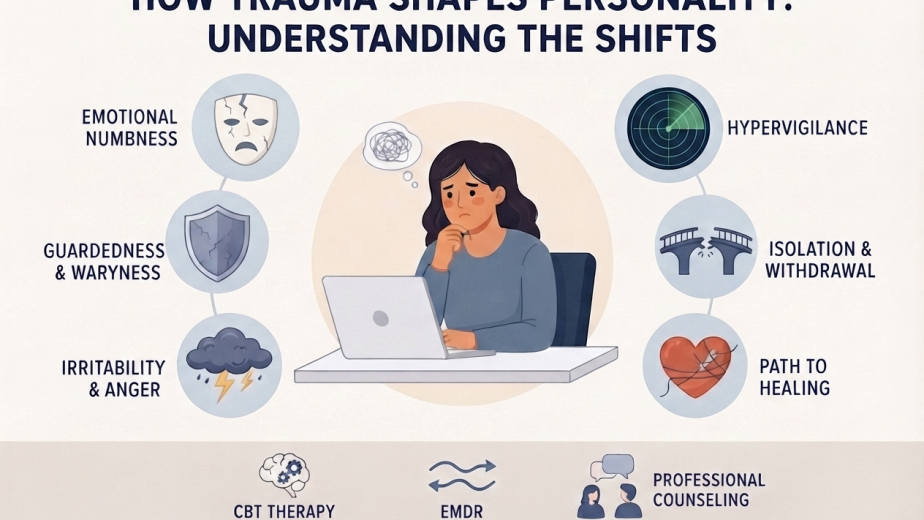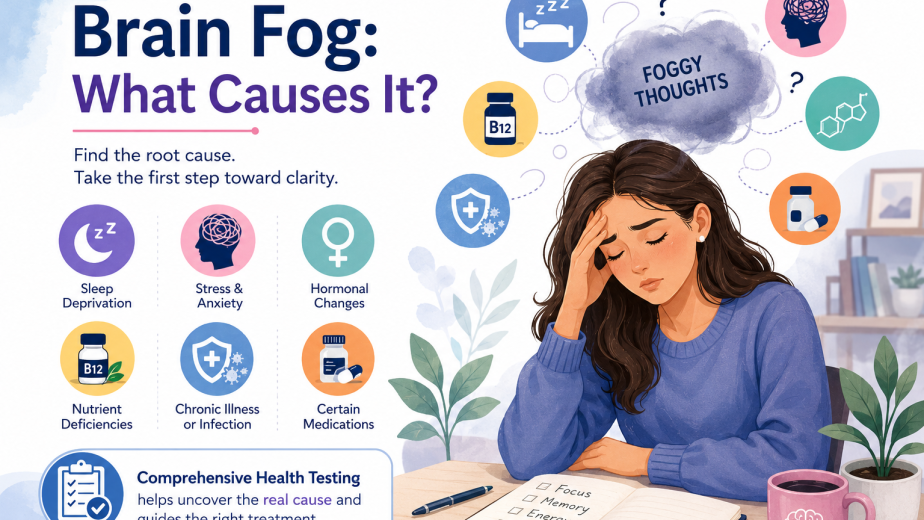
You wake up tired, even after a full night’s sleep. Your inbox is more filled and heavier than it was a month back, while even a simple report would take double time. People might blame themselves, however, the underlying reason is quite often their mental condition. Effective treatment for depression can bring focus and energy back, yet most people wait far too long to ask for it. Work performance depends on mood, sleep, and concentration, and all three slip when something’s off. This guide shows how mental health affects your workday and what you can do about it.
How Your Mind Affects Your Workday
Your brain is your most important work tool. When mood drops or anxiety climbs, the areas responsible for planning, memory, and attention don’t run as smoothly, and that’s not laziness. It’s how the brain responds to sustained stress and low mood.
Here’s how it often shows up on the job:
- Trouble concentrating or making simple decisions
- Slower progress on routine tasks
- More mistakes and missed deadlines
- Frequent sick days or late arrivals
- Tension with coworkers or pulling away from the team
These changes are easy to dismiss as a slow month or a bad attitude. Often, they’re early signals that stress or low mood has outgrown what rest alone can fix, and spotting them early makes recovery easier.
Absenteeism vs. Presenteeism
Absenteeism is easy to see. Someone calls in sick, and the team adjusts. Presenteeism is harder to spot. The person is at their desk, but they’re drained, distracted, and working at half speed. Over time, this quiet loss of output can hurt a team more than a few missed days, and it often leaves the employee feeling worse about themselves. Think of someone rereading the same email four times or staring at a spreadsheet without absorbing it. They look present, yet the work isn’t moving. Managers often miss it because nothing appears wrong on the surface. Meanwhile, the employee may push harder, sleep less, and hide how much they’re struggling, which deepens the cycle.
What the 2026 Data Shows
A 2026 NAMI-Ipsos poll of full-time U.S. employees at larger companies found that 35% said their productivity suffered because of their mental health, and 53% said they felt burned out because of their job. You can read the full results in the 2026 NAMI-Ipsos Workplace Mental Health Poll.
Signs Your Mental Health May Be Affecting Your Work
The pattern matters more than a single bad day. Watch for these signs:
- Feeling exhausted even after rest
- Losing interest in work you once enjoyed
- Dreading Monday mornings in a way that feels heavy
- Irritability or tearfulness during the day
- Trouble sleeping or sleeping far too much
If several of these last longer than two weeks, it may be time to talk with a professional about treatment for depression or another type of care.
Depression and Mood Disorders in the Workplace
Depression is a major driver of lost productivity, but it’s not the only one. The other common mental illnesses include bipolar disorder and persistent depression disorder also affect energy, motivation, and mental clarity among other things. The main way for managing mood disorders is to combine therapy (either one-on-one or group therapy), medication when it’s needed, with good sleep habits, exercise, and a healthy diet.
The right treatment for depression looks different for everyone. Some people improve with talk therapy alone. Others need medication, and many do best with both. A licensed provider can help you figure out which path fits your situation.
Practical Ways to Protect Your Performance
Start small:
- Book an evaluation: A primary care provider or psychiatric professional can screen for depression, anxiety, and other conditions, and walk you through treatment for depression if you need it.
- Break work into smaller pieces: Short, clear goals feel easier when concentration is low.
- Protect your sleep: Poor sleep and poor mood feed each other.
- Check your workplace benefits: Many employers offer an employee assistance program or flexible schedules, and you may be entitled to reasonable accommodations under the ADA.
- Explore local options: It has become much easier to get Mental Health Services and now is the time when most providers also have virtual or online sessions (telehealth) available.
- Stay consistent: Regular therapy visits, medication check-ins, and steady mood disorder management give care time to work.
Where to Find Support in Maryland
If you live in Maryland, you don’t have to figure this out alone. Maryland Behavioral Health provides psychiatry, therapy, medication management, and family medicine at offices in Bowie, Silver Spring, Forestville, and St. Mary’s County. Telehealth visits and same-week appointments are available.
Its Mental Health Services cover therapy, counseling, and medication management for depression, anxiety, ADHD, bipolar disorder, and trauma, and the team also offers SPRAVATO® for treatment-resistant depression. The practice also runs a sliding fee discount program and accepts a range of private and public insurance plans. At Maryland Behavioral Health, the goal is care that never feels rushed or judgmental.
Key Takeaways
- Mental health shapes focus, memory, decision-making, and attendance at work.
- Coming to the workplace while not in good health generally ends up costing more in the long run than taking an actual sick day.
- Early warning signs include constant fatigue, irritability, and unfinished tasks.
- Professional care and small workplace changes can bring performance back.
- Getting support at an early stage will prevent damage to not just your well-being but also your professional development.
Conclusion
Mental health has a deep impact on work performance. So, if you don’t take care of one, you end up hurting the other. Feelings of failure or frustration do not equate to being incapable of working and contributing. What they really indicate is that your psyche has been stretched and therefore you need to put in effort into taking care of it, very similar to any other physical aspect of your health. Getting the right treatment for depression or another condition can restore the focus, energy, and confidence you’ve been missing. If you’re ready for a first step, Maryland Behavioral Health is a good place to start, and reaching out for Mental Health Services today can make tomorrow’s workday lighter.
Frequently Asked Questions
- Can poor mental health really lower job performance?
It can happen. Feeling sad all the time, being anxious, and being so tired from work that you don’t care anymore affect your ability to concentrate, remember things, get motivated which then impacts your work speed and quality negatively.
- What are early signs of burnout or depression at work?
A number of symptoms such as persistent fatigue, being easily annoyed or angered, lack of motivation and difficulty in completing even those tasks that were simple before.
- Do I have to tell my manager about my mental health?
You are not required to make a disclosure. You can confide as much as you can handle from yourself while HR or EAP can help you find out the legal ways which protect your confidentiality.
- How long does it take for care to improve my work?
Some people can’t wait two or three weeks to feel a slight change. For others it could take weeks or even months. Regardless, what matters is persistence.
- Where can I get help in Maryland?
Maryland’s Behavioral Health provides individual and family therapies, medication through psychiatry and managing mood disorders by way of onsite meetings and online consultations.