Ever felt butterflies before a big meeting, or lost your appetite during a stressful week? Those moments point to a real link between your digestive system and your emotions. If you live with lingering sadness or sudden mood swings, your gut may be one piece of a larger puzzle, and getting treatment for mood disorders should always come first. This guide explains how the gut and brain communicate, which everyday habits may help, and when it’s time to reach out for support. Let’s start with what science says.
How the Gut and Brain Talk to Each Other
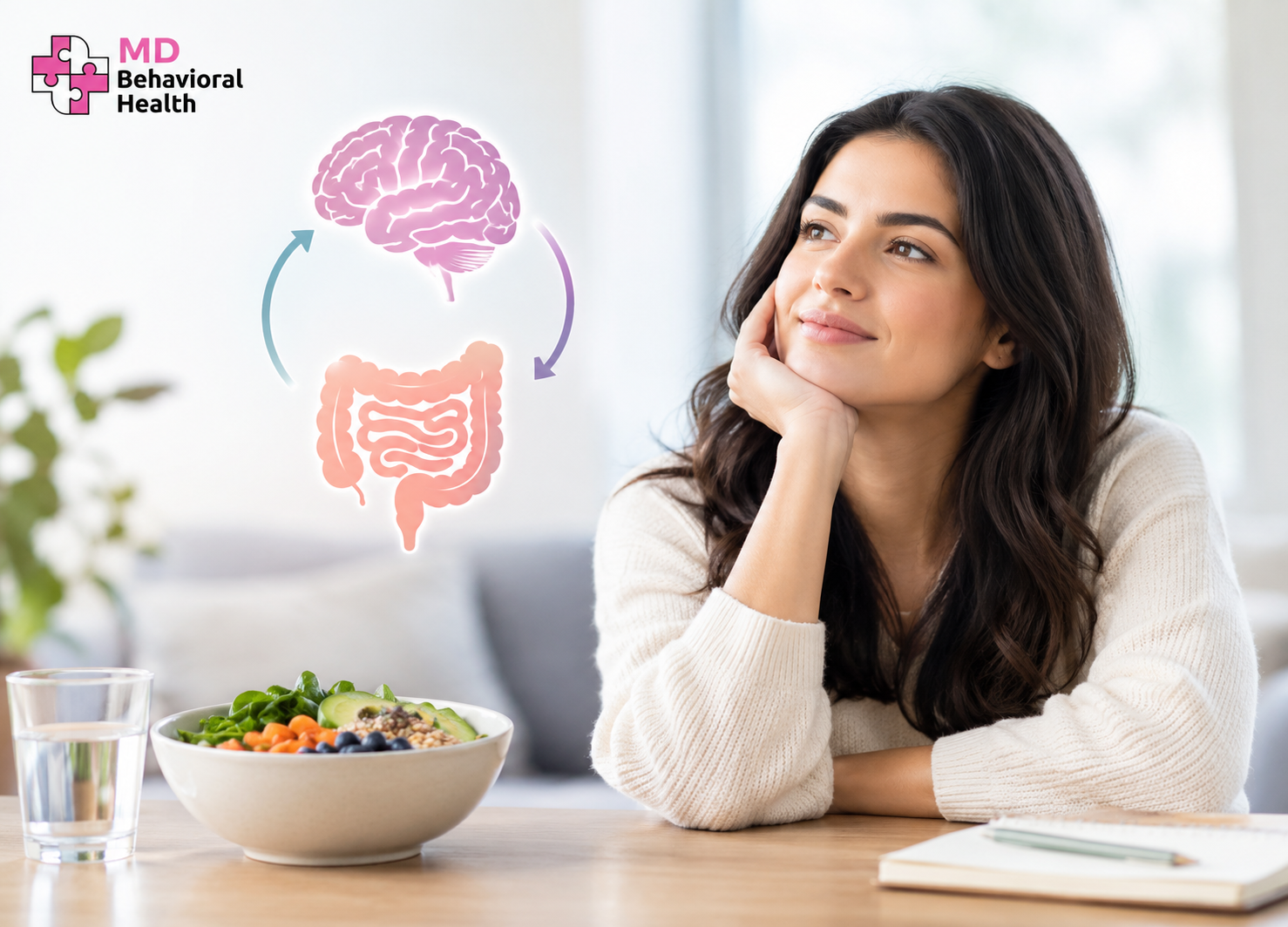
Your gut and brain stay in constant conversation through the gut-brain axis. Nerves, hormones, and immune signals carry messages both ways, and the vagus nerve works as a main highway between them. Your intestines even contain hundreds of millions of nerve cells, which is why some people call the gut a “second brain.”
Then there’s the microbiome, the trillions of bacteria living in your digestive tract. These microbes help break down food, train your immune system, and make chemical messengers. Much of the body’s serotonin, which is tied to mood, sleep, and appetite, is produced in the gut. It doesn’t travel straight to the brain, but the signals around it appear to shape how you feel.
What Happens When Your Gut Is Out of Balance
Researchers are still sorting out cause and effect, but patterns keep showing up. A less diverse microbiome, ongoing inflammation, and a diet heavy in processed food have all been linked with low mood and anxiety. Stress pushes in the other direction too. When you’re anxious, digestion can speed up or slow down, causing cramps, bloating, or nausea. That loop can feed itself.
People with irritable bowel syndrome, for instance, report depression and anxiety more often than others do.
Mood struggles are common, and plenty of people never get help. According to the Substance Abuse and Mental Health Services Administration’s 2025 National Survey on Drug Use and Health, released July 27, 2026, 3.7 million U.S. adolescents had a major depressive episode in the past year, and 57.7% of them received mental health treatment. That leaves more than four in ten without it.
Signs Your Gut and Mood Could Be Linked
No single symptom proves a connection, but some combinations deserve attention:
- Bloating or irregular digestion that flares during stressful stretches
- Big changes in appetite or cravings
- Trouble falling or staying asleep
- Fatigue or brain fog that rest doesn’t fix
- Low mood, irritability, or racing thoughts lasting over two weeks
If several sound familiar, talk with a professional. Ongoing symptoms deserve attention, and treatment for mood disorders can start making a real difference.
Everyday Habits That Support a Healthier Gut
Small, steady changes usually beat strict rules.
- Eat more fiber from beans, oats, fruit, and vegetables
- Try fermented foods like yogurt, kefir, or kimchi
- Add omega-3 sources such as salmon or walnuts
- Cut back on ultra-processed snacks and sugary drinks
- Walk or move most days
- Protect your sleep and make time to unwind
These habits may ease digestive symptoms and give your mood some support, though results vary from person to person.
Why Food Alone Isn’t Enough
It’s tempting to think a better diet could fix everything. It can’t. Depression, bipolar disorder, and other mood conditions grow out of genetics, brain chemistry, life stress, and trauma, and a probiotic won’t undo that. Nutrition is a helpful partner, not a replacement for treatment for mood disorders.
Effective mood disorder management usually blends several tools: therapy, medication when appropriate, steady sleep, movement, and good nutrition. Each supports the others.
How Professional Care Fits In
A good provider looks at the whole person. That means weighing your mood, sleep, stress, medical history, and digestive concerns together instead of treating them as unrelated. Maryland Behavioral Health gives you a psychiatrist, therapist, and a family physician in one place, thus making accessible integrated care throughout Maryland. That whole-person approach makes treatment for mood disorders more personal and more effective.
Mood disorder counseling is a strong starting point for many people. A counselor can help you spot thought patterns, build coping skills, and notice how food, sleep, and stress shape your days. When symptoms run deeper, a psychiatric provider can discuss medication and follow up regularly.
When to Reach Out
Don’t wait until things feel unbearable. Consider booking a visit if low mood, anxiety, or mood swings last more than a couple of weeks, disrupt work or relationships, or come with physical symptoms you can’t explain. At Maryland Behavioral Health, same-week appointments are available, with telehealth and in-person options in Bowie, Silver Spring, Forestville, and St. Mary’s County. Not sure what to expect? A first session of mood disorder counseling is simply a conversation.
Key Takeaways
- The gut and brain trade signals constantly through nerves, hormones, and immune pathways.
- An imbalanced microbiome and chronic inflammation have been linked to low mood and anxiety.
- Fiber, fermented foods, sleep, and movement can support digestive health.
- Food habits help, but they can’t replace professional mood disorder management.
- Reaching out early gives you more options.
Conclusion
Your gut and your mood are more connected than most people realize, and caring for one often helps the other. Eat well, sleep well, move your body, and pay attention to what it’s telling you. Those habits are worth building, but they work best alongside expert guidance. If you’re struggling, don’t try to sort it out alone. Small steps count. Reaching out for treatment for mood disorders is a sign of strength, and Maryland Behavioral Health is ready to help you take that step toward steadier days.
FAQ’s
- Can gut health cause depression?
Not on its own, but a microbiome that is imbalanced or inflammation could potentially play a role with genes, stress, and life happenings as contributing factors.
- Do probiotics improve mood?
Preliminary research suggests that small improvements may be achieved for the use of probiotics by individuals.
- Which foods help the gut and brain?
Fiber-rich plants, fermented foods, and omega-3-rich fish are good starting points.
- When should I consider mood disorder counseling?
When either a depression like feeling or anxiety continues for almost 2 weeks or more and starts causing problems in the daily routine of a person, it is a good time to get professional help.
- Where can I find support in Maryland?
Maryland Behavioral Health provides psychiatric, therapeutic, and family medicine services. They also offer telehealth and in-person visit options which help people manage mood disorders more effectively.