Improving your mental health often starts with everyday habits and holistic care. At Maryland B Health (MD Behavioral Health), we believe in a whole-person approach to wellness. In addition to therapy and medical treatments, our providers encourage lifestyle changes – like exercise, nutrition, sleep and stress management – that can boost your mood and resilience. Research shows that healthy lifestyle habits can prevent and treat many mental health conditions. For example, regular movement and a balanced diet “can complement and augment the therapeutic benefit of medication, psychotherapy, and other treatments”. In practice, MD Behavioral Health offers counseling, therapy and personalized care plans that include lifestyle counseling and stress-management strategies. Our goal is to empower you with natural tools to feel better, while also providing clinical support if needed.
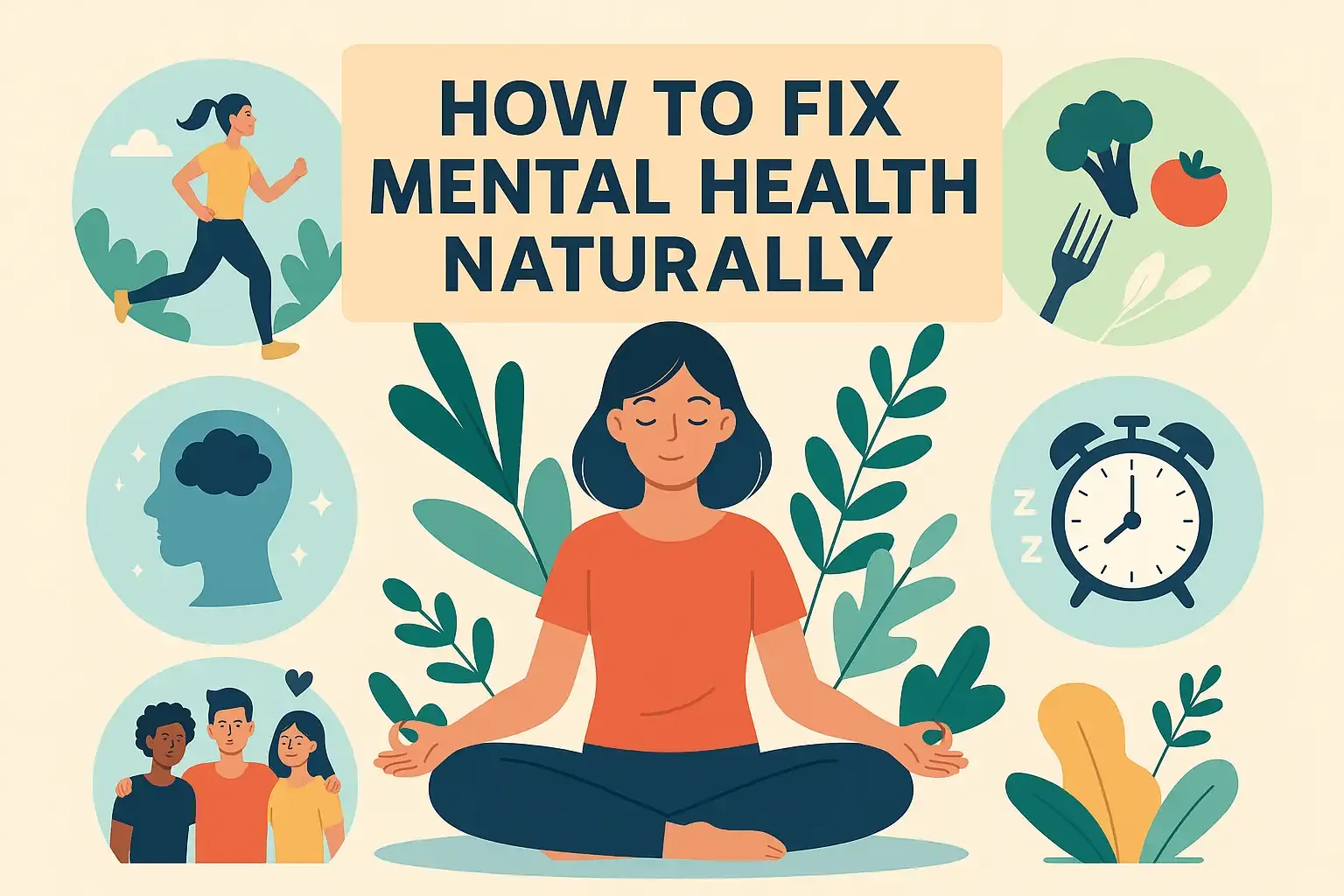
Key natural strategies include:
- Regular Exercise and Movement: Physical activity reliably reduces stress and depression, even more when combined with therapy.
- Healthy Nutrition: Eating whole, nutrient-rich foods supports brain health; a Mediterranean-style diet of vegetables, fruits, nuts and fish has been linked to better mood.
- Quality Sleep: Consistent, restorative sleep is essential. Chronic poor sleep can worsen mood, concentration, and irritability.
- Mindfulness and Relaxation: Practices like meditation, yoga or deep breathing calm the mind and lower stress hormones. Even brief “exercise snacks” or quiet moments can clear your head.
- Social and Community Support: Connecting with friends, family or support groups strengthens resilience. Studies show loneliness worsens mental health, while social support can provide a sense of belonging and security.
Exercise and Movement
No single remedy lifts mood like regular exercise. Even simple activities – a brisk walk, a bike ride, or a dance class – trigger natural brain chemicals (endorphins) that improve mood. As Harvard Health explains, “regular aerobic exercise…has a unique capacity to exhilarate and relax, to provide stimulation and calm, to counter depression and dissipate stress”. In practice, that means committing to any activity you enjoy for at least 20–30 minutes most days. Not only does exercise fight anxiety and depression directly, it also improves sleep and self-esteem. MD Behavioral Health counselors often work with patients to set S.M.A.R.T. goals for physical activity, so exercise feels achievable and even energizing (rather than overwhelming).
Fuel Your Mind: Nutrition and Diet
A balanced, nutritious diet fuels both body and brain. Research affirms that “food is medicine” – diets high in whole foods (vegetables, fruits, whole grains, nuts, and fish) are associated with positive mental health, while diets heavy in processed foods and sugar are linked to worse outcomes. For example, the Mediterranean diet (rich in veggies, olive oil, legumes, and lean protein) has been shown to reduce symptoms of depression. In contrast, skipping meals or eating mostly fast food can sap your energy and mood. MD Behavioral Health’s team can provide nutrition guidance as part of lifestyle counseling. Small changes – like swapping sugary snacks for fruit, or adding leafy greens to meals – can have a big impact on how you feel day-to-day. Staying hydrated and limiting caffeine/alcohol also support mental balance. Remember that making gradual, sustainable tweaks is more effective than extreme diets; our providers help tailor meal plans and mindfulness around eating to fit your lifestyle.
Rest and Recharge: Sleep Hygiene
Sleep is a pillar of mental health that’s often overlooked. Consistently getting 7–9 hours of quality sleep each night is crucial. Poor or insufficient sleep can lead to fatigue, irritability, and trouble concentrating – all of which worsen stress and anxiety. Good sleep habits (“sleep hygiene”) might include a regular bedtime, winding down without screens, and creating a dark, calm bedroom. Even simple steps like avoiding caffeine late in the day or getting natural light exposure in the morning can help reset your sleep-wake cycle. If sleep problems persist, our clinicians can offer cognitive-behavioral strategies or referrals to sleep specialists as needed. In essence, think of sleep as a cornerstone: when it’s strong, other healthy habits become easier to maintain.
Calm the Mind: Mindfulness and Relaxation
Mind-body practices are powerful tools for managing stress and emotional ups and downs. Activities such as meditation, deep breathing, yoga, or tai chi have been shown to reduce stress and improve well-being. For instance, mindfulness meditation techniques train you to stay present and notice thoughts without judgment, which can break cycles of anxiety. Regular mindfulness is even proven to shrink the brain’s stress-reactive regions over time. You don’t need to sit for hours; even a few minutes of guided breathing can reset your nervous system. MD Behavioral Health’s therapists often teach clients these techniques during talk therapy and encourage daily practice. There are also biofeedback and relaxation apps that guide breathing exercises – digital tools that MD BH providers may recommend. The key is consistency: a little mindfulness every day builds resilience. Over time, you may find increased calm, clarity, and patience in your daily life.
Connect with Community: Social Support
No one needs to struggle alone. Meaningful connections – with family, friends, or community groups – are a natural mood-booster. Research firmly shows that social support is vital to mental health, and loneliness is a known risk factor for emotional problems. Simple actions like talking regularly with a friend, joining a hobby club, or volunteering can create a sense of belonging and purpose. These connections act like a buffer against stress: having someone to listen or share experiences with provides emotional security and perspective. MD Behavioral Health recognizes this by encouraging support groups and family-inclusive therapy when appropriate. By strengthening your social ties – and asking for help when needed – you build a healthier, more hopeful environment for yourself.
Professional Guidance and Integrated Care
While natural methods are empowering, they often work best when paired with professional guidance. Maryland B Health’s unique philosophy is to combine psychiatric and primary care under one roof. Our compassionate providers create personalized plans that may include talk therapy, lifestyle counseling, and medications if needed. We support natural, non-pharmacological approaches when appropriate. For instance, alongside prescribing medicine, a provider might recommend counseling, exercise goals, or stress-management training. We also offer primary care services (like annual checkups and preventive health) because physical health affects mental well-being. All services are accessible and inclusive: we accept many insurances and strive to make mental healthcare affordable and stigma-free. Our team works with you as partners – setting achievable goals, celebrating small wins, and adjusting the plan as you improve.
Take the Next Step
Finding balance is a journey. Small daily choices – taking a walk, trying a healthy recipe, practicing a few minutes of mindfulness – can add up to big improvements in mood and stress levels. And remember: these natural strategies do not replace professional care when it’s needed. They complement it. If you’re facing serious symptoms of anxiety, depression, or other concerns, Maryland B Health is here to help you integrate these holistic habits into a broader treatment plan. Our warm, multidisciplinary team is ready to listen and guide you toward better mental wellness. Contact MD Behavioral Health today to learn more or book an appointment. We are here to help you thrive – body and mind – in every way that works for you.