The decision to seek professional assistance is often the most critical, courageous first step toward healing. For anyone asking, “How do I fix my poor mental health?” the answer is not a quick repair; rather, it is engaging in a structured, compassionate, and personalized process of recovery. True, sustainable wellness relies on professional clinical interventions, which offer scientifically backed pathways to improvement.
The foundation of effective care is Evidence-Based Practice (EBP), which ensures that all treatment—including medication and therapy—integrates the best available research with clinical expertise, always tailored to your specific characteristics and personal preferences.
Section 1: Clinical Options—The Core of Recovery
When temporary self-help strategies are no longer effective, clinical care provides the necessary structure and stabilization. Mental health care is delivered across a spectrum, from regular weekly therapy to more intensive services.
For individuals facing severe distress or transition, programs like Partial Hospitalization (PHP) and Intensive Outpatient Care (IOP) provide structured, time-intensive support that doesn’t require 24/7 hospitalization. Services available from providers like Maryland Behavioral Health (MBH) also include primary psychiatric care, therapy, and convenient telehealth options to mitigate geographic barriers.
1.1. Deep Dive into Psychotherapy: More Than Just Talking
Psychotherapy, or talk therapy, is a skill-based dialogue conducted in a supportive, nonjudgmental environment. The core principle is that psychological distress stems from unhelpful patterns of thinking, learned behaviors, and problematic core beliefs. By examining these patterns, the goal is to develop more constructive ways of coping, thereby relieving symptoms and improving overall emotional health.
- Cognitive Behavioral Therapy (CBT): This is one of the most widely used and evidence-based modalities. CBT focuses specifically on the interconnected relationships among your thoughts, feelings, and resulting behaviors. In collaboration with a professional, you work to identify negative or false beliefs and then learn to test, restructure, or challenge them. CBT is highly practical, pragmatic, and goal-oriented, typically spanning a limited number of sessions.
- Dialectical Behavior Therapy (DBT): Developed for people who experience emotions with exceptional intensity, DBT is an adaptation of CBT. Its critical aim is to strike a balance between validation (accepting difficult thoughts and feelings) and change. DBT focuses heavily on teaching new skills, especially in emotion regulation and distress tolerance, often involving individual therapy, group skills training, and telephone crisis coaching.
- Psychodynamic Psychotherapy: This modality seeks to recognize and resolve negative patterns of behavior rooted in past experiences and potentially unconscious conflicts. Therapists use open-ended discussions to bring these deep-seated associations to light, helping you overcome the unhelpful feelings and behaviors they influence.
Medication Management: Stabilizing Brain Chemistry
For many, full recovery requires intervention at the biochemical level. Psychiatric medications function by influencing the brain chemicals, or neurotransmitters, that regulate emotions and thought patterns.
Crucially, medication works best when combined with psychotherapy. Medication acts as an “on-ramp” to therapeutic work; by easing debilitating symptoms like a severe loss of energy or inability to concentrate, the individual is then stabilized and better able to engage effectively in the skill-based dialogue of talk therapy.
The most common classes of medicines include antidepressants (such as Selective Serotonin Reuptake Inhibitors, or SSRIs, which are often the first prescribed option), anti-anxiety medications, and mood stabilizers. Finding the correct medicine or combination demands persistence, as it can take several weeks or months to see significant improvement. Always consult closely with your provider to adjust dosage or switch medications if side effects persist or symptoms are not improving.
Section 2: Finding Your Clinical Fit and Community Support
The success of your recovery hinges on finding a comfortable and successful therapeutic partnership.
Vetting Providers and Shared Decision-Making
When searching for a professional, it is essential to ask questions to determine the right fit:
- Do you feel comfortable with this person?
- Have they worked with people facing similar issues?
- Will they respect your cultural background?
Prepare for your first consultation by assembling a complete medical history, including all past medication regimens and side effects. Most importantly, advocate for a shared decision-making treatment approach. This means actively partnering with your provider to define your goals rather than passively receiving instructions, allowing you to take an educated, active role in your care.
Overcoming Barriers to Access
Systemic obstacles like financial barriers, high out-of-pocket costs, and a scarcity of professionals often limit access to care. However, community-focused solutions are available:
- Affordable Options: Explore resources like Open Path, which connects clients with professionals offering affordable therapy, or check local free clinics that use volunteer health care providers.
- State Resources: Maryland residents should know that Maryland Medicaid covers a variety of behavioral health services, including outpatient clinics, psychotherapy, crisis intervention, and prescription drugs.
- Community Advocacy: Organizations like the National Alliance on Mental Illness (NAMI) provide vital mental health support, education, and advocacy at no cost.
Lifestyle as Foundational Treatment
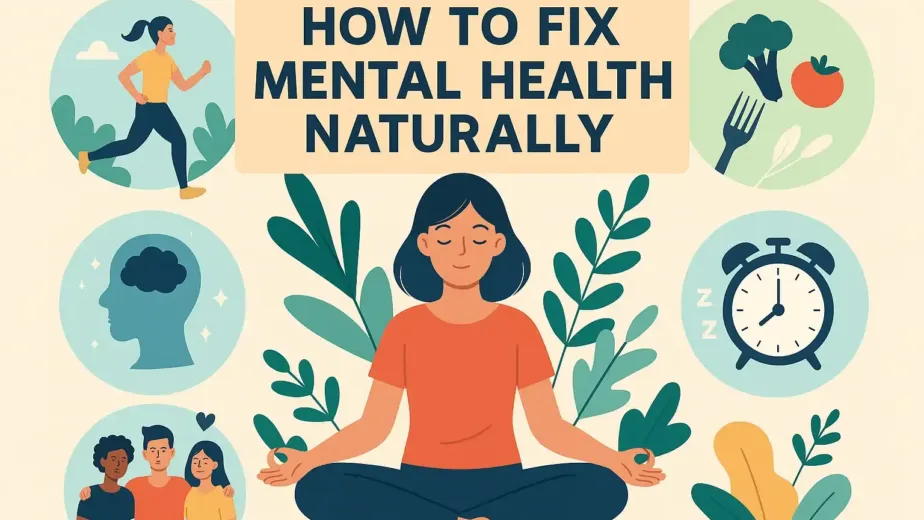
Clinical interventions are most effective when supported by consistent lifestyle changes. These practices form the crucial physical infrastructure for recovery.
- Dietary Stabilization: Focus on whole foods and avoid highly processed items and sugary snacks. Limit caffeine and sugar, which can lead to sharp crashes in mood and energy that mimic or exacerbate distress. Complex carbohydrates, like whole grains, help stabilize blood sugar and support serotonin levels. Also, ensure you are staying consistently hydrated, as even mild dehydration can impair mood and concentration.
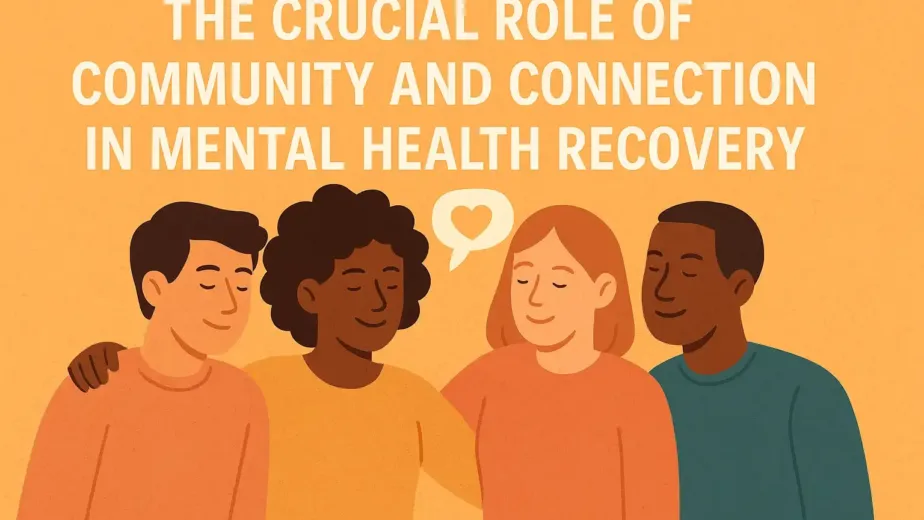
- Community and Peer Support: Support groups fill the gap between medical needs and emotional needs, bringing together people who share similar experiences to exchange coping methods and offer mutual encouragement. Whether led by peers or health professionals, these groups provide an essential space for connection when family or friends may not fully grasp the effects of your challenges.
Conclusion
Commitment to recovery is a marathon, not a sprint. By embracing the combined power of stabilization through medication, deep healing through specialized therapy, and foundational support from community and wellness practices, you can successfully navigate your path forward. Providers like Maryland Behavioral Health offer comprehensive, personalized care to help adults achieve a happier, healthier, and more productive life. If you or a loved one are struggling, reach out to compassionate, skilled experts and take that critical first step. Help is available.