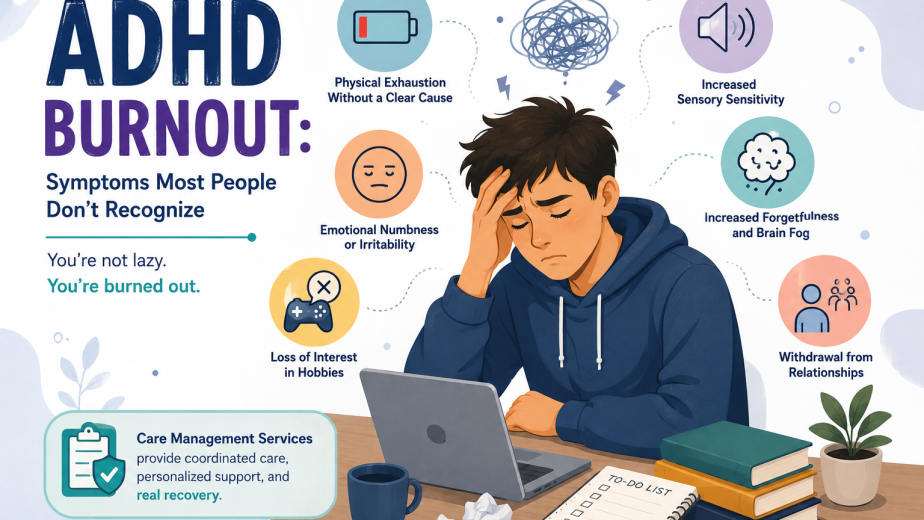
Many adults describe a puzzling pattern: replying to an email, washing a few dishes, or scheduling an appointment feels far harder than it should. This kind of situation is pretty common, and usually it doesn’t mean you lack discipline. Everyday tasks draw on attention, planning, and emotional energy, and those resources shrink under prolonged stress, poor sleep, or low mood. In some cases, difficulty in getting things going can signal certain clinical conditions, and understanding treatment for depression can help you recognize when professional support is appropriate. This article explains why small tasks can feel overwhelming and which steps may help.
Why Small Tasks Feel So Heavy
A task looks small on paper. Inside your head, it rarely is. Even paying a bill takes planning, remembering, deciding, and following through. Your brain uses the same set of executive function skills for all of it, and those skills run on limited energy. When stress, poor sleep, or constant worry drain that supply, the smallest request can feel like a wall.
There’s an emotional side too. If you already feel behind, every new task carries a quiet message: you should have done this already. That guilt adds weight before you even begin.
Everyday Causes of Task Overwhelm
Not every case of overwhelm points to a medical problem. There are many normal reasons that could be behind it:
- Chronic stress and burnout: If you are under constant pressure for too long, you do not have room to cope extra.
- Decision fatigue: A number of choices in a particular day exhausts one’s decision-making abilities. Even the simplest decisions feel tiring.
- Perfectionism: If your work has got to be flawless, your starting it becomes a risk in itself.
- Poor sleep: Tired brains struggle with focus, memory, and motivation.
- Big life changes: Grief, a move, a new baby, or job loss can stretch anyone thin.
- Anxiety or ADHD: Both can make organizing and starting tasks harder.
For the most part, these will be solved after the stressor disappears or one gets more sleep. But in cases where the weightiness persists for weeks, an assessment may be necessary.
When Overwhelm May Signal Depression
Depression is more than sadness. Many people describe it as a heavy fog that slows everything down. Showering, answering texts, or making dinner can start to feel out of reach. Watch for these signs lasting two weeks or longer:
- Low mood or feeling empty most days
- Loss of interest in things you used to enjoy
- Changes in sleep or appetite
- Trouble concentrating or making decisions
- Constant tiredness, even after resting
- Feelings of worthlessness or guilt
If several of these sound familiar, a professional evaluation can help sort out what’s going on. Depression is a mood disorder, and the good news is that treatment for depression helps many people feel like themselves again. Mood disorder management usually combines talk therapy, medication, healthy routines, or a mix of these, depending on what fits you.
What the 2026 Data Shows
Reaching out isn’t always easy, and cost is a big reason. According to Mental Health America’s The State of Mental Health in America 2026 report, 27.65% of adults who reported 14 or more mentally unhealthy days each month could not see a doctor because of cost in 2024, and that share has been rising since 2021. You can read the full findings on the Mental Health America website.
It also shows why access to mental health treatment for depression matters so much. Providers such as Maryland Behavioral Health offer telehealth, same-week appointments, and a sliding fee discount program, which can lower some of those barriers. Easy-to-reach mental health services make it far more likely that people ask for help early.
Small Steps That Help Right Now
While you decide on next steps, these habits can take the edge off:
- Shrink the task: Instead of “clean the kitchen,” try “put five dishes in the sink.”
- Set a ten-minute timer: Starting is the hardest part, and you can stop when it rings.
- Move your body: A short walk can lift energy and clear mental clutter.
- Be kind to yourself: Harsh self-talk makes the load heavier, not lighter.
These habits can complement treatment for depression and general mood disorder management, but they don’t replace professional care when symptoms stick around.
What Getting Help Can Look Like
A first visit usually involves a conversation about your symptoms, sleep, stress, and health history. From there, a provider can build a plan around you, and treatment for depression often begins with that simple conversation. Choose mental health services that feel welcoming and offer flexible visits.
Care often includes therapy that helps you change unhelpful thought patterns, medication when appropriate, and lifestyle support. For people whose symptoms haven’t improved with standard options, newer approaches such as esketamine may be considered under close medical supervision. Mental health treatment for depression is never one-size-fits-all, so your plan can change as you progress.
Maryland Behavioral Health provides therapy and counseling, medication management, and care for mood disorders at its offices in Bowie, Silver Spring, Forestville, and St. Mary’s County, plus telehealth. If you’re comparing options for mental health treatment for depression, you can learn about their depression treatment. The Maryland Behavioral Health team focuses on mood disorder management that fits your schedule and your comfort level, and the practice accepts a wide range of insurance plans.
Key Takeaways
- Small tasks feel big when stress, poor sleep, or worry drain your mental energy.
- Guilt and perfectionism add weight before you even start.
- Overwhelm that lasts two weeks or more, along with low mood, may signal depression.
- Breaking tasks into tiny steps can help in the short term.
- Professional support works, and cost shouldn’t stop you from asking.
Conclusion
Small tasks feel overwhelming when your energy, focus, and mood are stretched thin. Being overworked is a normal reaction to pressure, but when you start to feel weighed down consistently, lose interest, or become exhausted over several weeks, you should seek the help of a professional. Early evaluation makes a meaningful difference, and exploring treatment for depression is a reasonable step when everyday responsibilities begin to feel out of reach. You do not have to manage this alone. Maryland Behavioral Health is ready to help you take that first step with compassionate, evidence-based care. With our availability and quality of mental health care services, contacting us should not be such a scary proposition; so think about making an appointment with us today.
Frequently Asked Questions
- Why do I feel overwhelmed by simple tasks?
Mental fatigue due to stress, exhaustion, anxiety, or depression is a common reason that a person is unable to initiate and finish a task.
- Is feeling overwhelmed by small tasks a sign of depression?
To a certain extent, yes. It would most likely happen along with feeling down all the time, losing interest in doing things, and getting easily tired. Only a professional clinician can accurately make a diagnosis.
- How do I start a task when I feel stuck?
Break it into a tiny step and work on it for just ten minutes. Starting small builds momentum.
- When should I see a professional?
To get professional advice, you should only consider going in the case of experiencing symptoms for two weeks continuously or if the symptoms are getting in the way of your sleep, work, and relationships. Should you ever be experiencing thoughts of causing harm to yourself, do not hesitate to contact us.
- Can therapy help with task paralysis?
Absolutely, therapy will provide tools or skills that will assist in the formulation of a plan, dealing with unproductive thoughts and reducing the tendency to avoid a situation that one is not comfortable with.